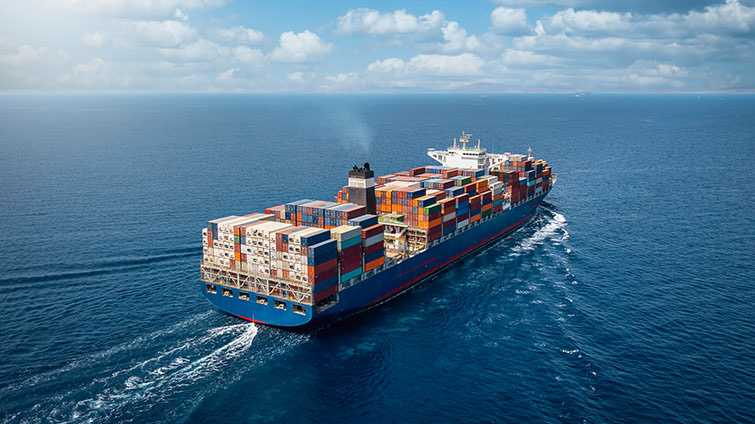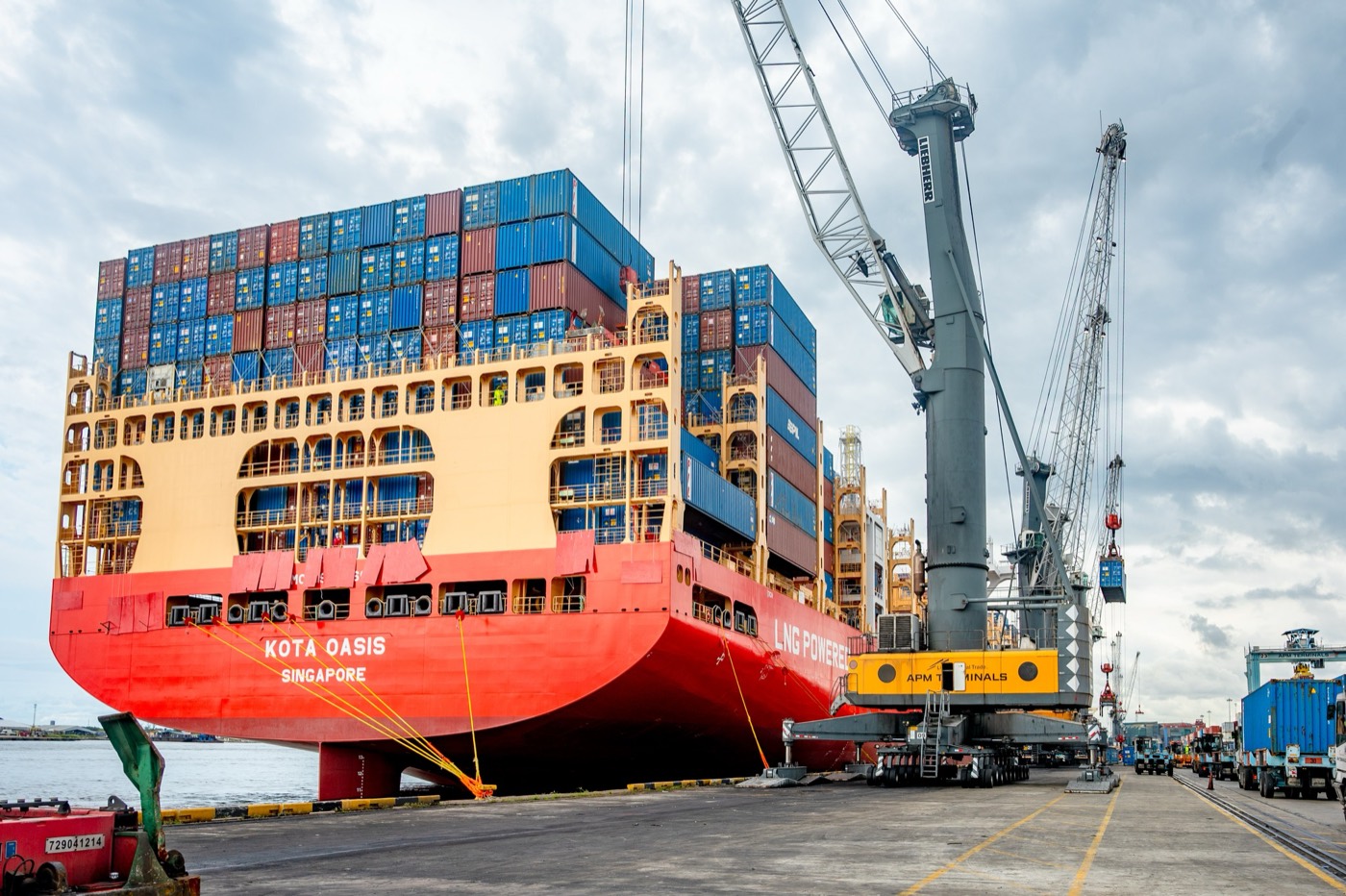
When you buy cocoa, sesame, cashew or any other bulk commodity, the price you are quoted only makes sense alongside its Incoterm. Incoterms are standard trade terms published by the International Chamber of Commerce (ICC). They define who pays for each part of the journey, who arranges it, and the exact point where risk passes from seller to buyer.
The three terms you will see most often in sea-freight commodity trade are FOB, CFR and CIF.
FOB: Free on Board
Under FOB, the seller delivers the goods loaded on board the vessel nominated by the buyer at the named port of shipment, for example FOB Lagos (Apapa).
- Seller pays for: sourcing, packing, inland transport to the port, export customs clearance and loading.
- Buyer pays for: ocean freight, marine insurance, unloading, import duties and onward delivery.
- Risk passes: once the goods are on board the vessel at the port of shipment.
FOB suits buyers who have their own freight contracts or forwarders and want control over shipping lines, routing and costs.
CFR: Cost and Freight
Under CFR, the seller also arranges and pays the ocean freight to the named port of destination, for example CFR Rotterdam.
- Seller pays for: everything under FOB, plus main carriage to the destination port.
- Buyer pays for: marine insurance, unloading at destination, import clearance and onward delivery.
- Risk passes: still when the goods are loaded on board at the port of shipment, not at destination.
This last point is often misunderstood. Even though the seller pays the freight, the buyer carries the risk during the voyage. If you buy CFR, you should arrange your own cargo insurance.
CIF: Cost, Insurance and Freight
CIF is CFR plus marine cargo insurance arranged by the seller in the buyer's favour, for example CIF Hamburg.
- Seller pays for: everything under CFR, plus insurance for the voyage.
- Risk passes: again, on loading at the port of shipment. The insurance protects the buyer from that point.
Under Incoterms 2020, CIF only requires the seller to buy minimum cover (Institute Cargo Clauses C) for at least 110% of the contract value. If you need wider cover, such as Clauses A (all risks), agree this in the contract.
Quick comparison
| FOB | CFR | CIF | |
|---|---|---|---|
| Export clearance | Seller | Seller | Seller |
| Ocean freight | Buyer | Seller | Seller |
| Cargo insurance | Buyer | Buyer | Seller (minimum cover) |
| Risk passes at | Loading, origin port | Loading, origin port | Loading, origin port |
| Import clearance | Buyer | Buyer | Buyer |
Which term should you choose?
- Choose FOB if you already ship regularly, have a forwarder you trust, or can secure better freight rates than the seller.
- Choose CFR if you want a single landed price to your port but prefer to manage your own insurance policy.
- Choose CIF if you want the simplest arrangement, and especially if you are new to importing from a particular origin.
A note on containers
FOB, CFR and CIF were designed for goods loaded directly onto a ship. When commodities travel in containers handed over at an inland depot or terminal, the ICC recommends the container-friendly equivalents FCA, CPT and CIP, because the seller loses control of the goods before they are actually loaded on board. In practice, FOB, CFR and CIF remain common in containerised commodity trade, so make sure your contract is clear about delivery and risk.
How Talcora works
We offer FOB, CFR and CIF on all our export commodities and will quote whichever term suits your business. Every quotation states the Incoterm, port, packaging, specification and shipment window, so you can compare offers like for like.
Request a quotation and tell us your destination port. We will come back with prices on the terms you prefer.